
Sterling Silver Jewelry Factory: Exploring Quality Standards and Modern Manufacturing Techniques
Introduction
Sterling silver jewelry has remained a popular choice in the global fashion industry because of its timeless appearance, durability, versatility, and affordability. From elegant necklaces and bracelets to fashionable rings and detailed earrings, sterling silver products appeal to customers with different styles and preferences. As demand for high-quality silver accessories continues to grow, choosing a reliable sterling silver jewelry factory has become increasingly important for jewelry brands, wholesalers, retailers, and independent designers.
Modern jewelry manufacturing combines traditional craftsmanship with advanced production technologies to create attractive, durable, and consistent products. A professional factory focuses on material quality, precise manufacturing processes, detailed finishing, and strict quality control. Understanding these standards and techniques can help businesses make informed sourcing decisions and develop successful jewelry collections.
Understanding Sterling Silver and Its Quality Standards
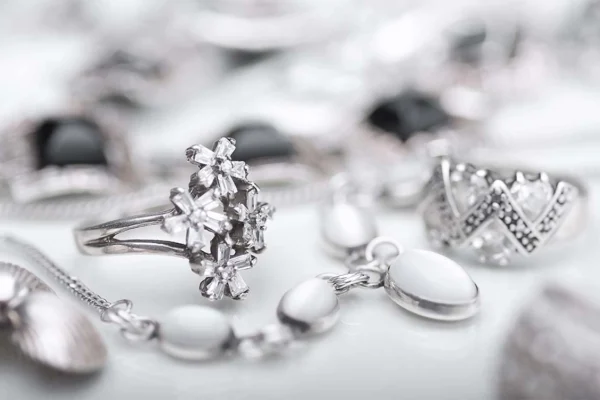
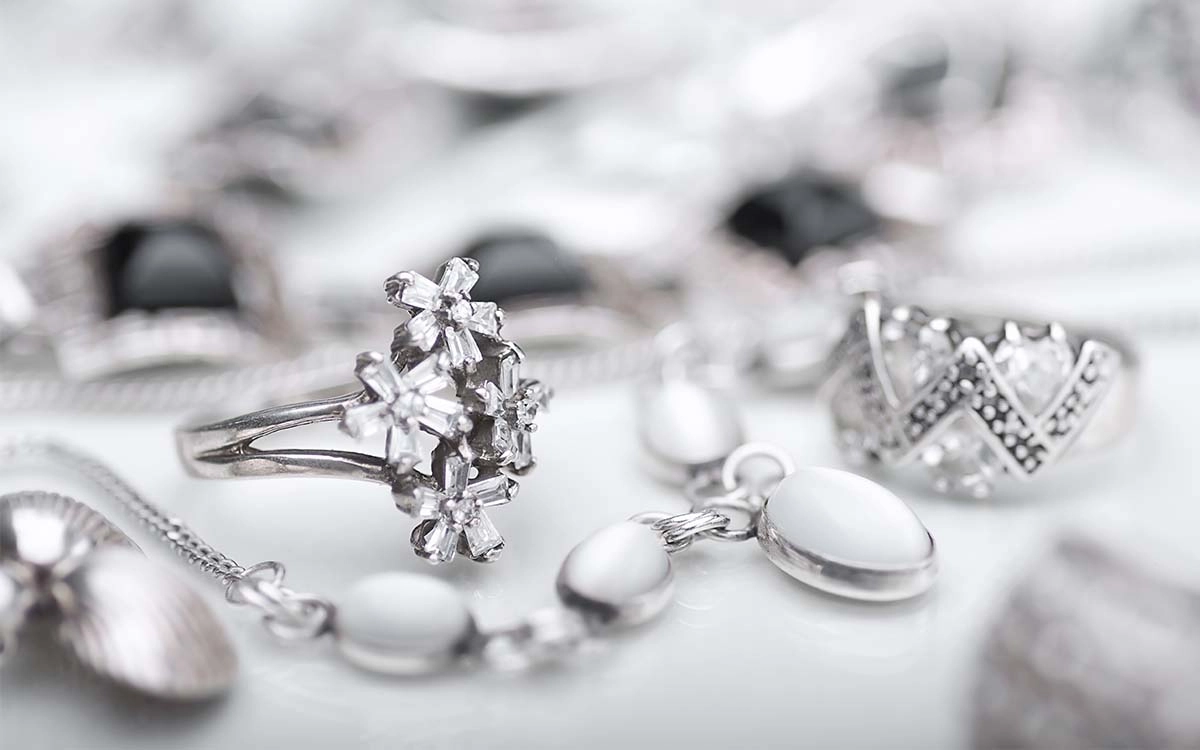
Sterling silver is an alloy that typically contains 92.5% pure silver and 7.5% other metals, commonly copper. Pure silver is relatively soft, so combining it with other metals improves its strength and makes it more suitable for everyday jewelry.
The 925 hallmark is widely used to identify sterling silver products. It indicates that the material contains 92.5% silver, helping buyers understand the composition of the jewelry they purchase.
A reputable sterling silver jewelry factory should maintain consistent material standards throughout production. This includes sourcing suitable raw materials, checking metal composition, and ensuring that finished products meet the required specifications.
Material testing is an important part of quality assurance. Manufacturers may use specialized equipment, including X-ray fluorescence testing, to verify silver content. These checks help reduce the risk of inconsistent materials and support confidence among business customers.
Modern Manufacturing Techniques in Sterling Silver Jewelry Production
Technology has significantly transformed jewelry manufacturing. While traditional techniques remain valuable, modern factories increasingly use digital design systems and precision equipment to improve production efficiency and product consistency.
Computer-Aided Design and 3D Modeling
Computer-aided design (CAD) allows jewelry designers to create detailed digital models before manufacturing begins. These models help manufacturers examine dimensions, proportions, decorative features, and structural details.
Three-dimensional modeling also makes it easier to adjust designs according to customer requirements. Businesses can review product concepts and request modifications before committing to full-scale production.
This approach reduces design errors, saves development time, and supports the creation of customized jewelry collections.
3D Printing and Precision Casting
3D printing has become an important technology in modern jewelry production. Manufacturers can use specialized printers to create accurate prototypes or casting patterns based on digital designs.
The lost-wax casting process is commonly used to produce sterling silver jewelry. A wax model is created, covered with investment material, and heated to remove the wax. Molten silver is then poured into the resulting mold.
This technique allows manufacturers to create intricate shapes, detailed patterns, and consistent product designs. It is particularly useful for producing rings, pendants, earrings, and other decorative accessories.
Cutting, Forming, and Assembly
After casting, jewelry components may require cutting, shaping, soldering, and assembly. Skilled workers carefully refine individual parts to achieve the desired structure and appearance.
Precision tools and modern machinery help maintain accurate measurements and reduce manufacturing inconsistencies. However, experienced craftsmanship remains essential for handling delicate details and ensuring that different components fit together correctly.
Quality Control Throughout the Manufacturing Process
Quality control is one of the most important responsibilities of a professional jewelry manufacturer. Even attractive designs can fail to meet customer expectations if materials, construction, or finishing are inconsistent.
A reliable sterling silver jewelry factory should implement quality checks at different production stages rather than inspecting products only after completion.
Raw Material Inspection
The process begins with examining incoming silver materials. Manufacturers should verify metal composition, inspect material condition, and identify any visible defects before production starts.
Proper material inspection helps prevent problems from affecting an entire production batch.
Production Quality Checks
During manufacturing, technicians examine casting quality, product dimensions, soldering points, and structural strength. These inspections help identify imperfections such as cracks, rough edges, incomplete casting, or weak connections.
Early identification allows manufacturers to correct problems before products move to the finishing stage.
Final Product Inspection
Finished jewelry should undergo a detailed visual and functional inspection. Manufacturers examine surface smoothness, polishing quality, stone settings, clasps, closures, and overall appearance.
Products should also be checked against approved samples and customer specifications. Consistent final inspections help businesses maintain reliable product standards and reduce customer complaints.
Surface Finishing and Jewelry Appearance
Finishing techniques have a significant influence on the final appearance of sterling silver jewelry. Even well-designed pieces require careful surface treatment to achieve a professional finish.
Polishing is one of the most common processes. It removes minor surface imperfections and creates a smooth, reflective appearance. Depending on the design, manufacturers may also provide matte, brushed, satin, or textured finishes.
Some jewelry products receive additional surface treatments, including rhodium plating. This coating can improve brightness and provide additional resistance to tarnishing, depending on its thickness and application quality.
Oxidized finishing is another popular technique. It creates darker areas within engraved patterns and decorative details, adding contrast and visual depth.
A capable manufacturer should offer different finishing options to help brands create collections that match their target markets.
Customization and Private Label Manufacturing
Customization is an important advantage for jewelry businesses seeking to establish distinctive product collections. Instead of purchasing standard designs, brands can collaborate with manufacturers to develop products that reflect their identity.
A sterling silver jewelry factory may provide customized shapes, sizes, engraving, stone settings, surface finishes, and packaging options.
Private label manufacturing also allows businesses to sell jewelry under their own brand names. Depending on the manufacturer’s capabilities, services may include design development, sampling, production, quality inspection, and customized packaging.
Before starting a large order, businesses should request product samples. Samples provide an opportunity to evaluate material quality, craftsmanship, appearance, and overall compatibility with brand requirements.
Clear communication about design files, dimensions, quantities, deadlines, and packaging expectations can help prevent misunderstandings during production.
Sustainable Practices in Modern Jewelry Manufacturing
Sustainability has become an increasingly important consideration for jewelry businesses. Customers are paying greater attention to material sourcing, manufacturing waste, and responsible production practices.
Modern manufacturers can improve sustainability by recycling silver scraps, optimizing material usage, maintaining efficient production equipment, and reducing unnecessary packaging.
Recycled silver can also support more responsible material sourcing when its origin and composition are properly verified.
Businesses should ask potential manufacturing partners about their sourcing policies, waste management procedures, and relevant certifications. Transparent information helps buyers evaluate whether a supplier’s practices align with their sustainability goals.
How to Choose the Right Sterling Silver Jewelry Factory
Selecting the right manufacturing partner requires more than comparing product prices. Businesses should evaluate several factors before entering a long-term production relationship.
First, examine the manufacturer’s experience and production capabilities. A factory with relevant industry knowledge may be better prepared to handle complex designs, customized orders, and changing production requirements.
Second, review samples and previous work. Product quality, finishing consistency, and design accuracy provide useful indications of manufacturing standards.
Third, discuss minimum order quantities, production timelines, pricing structures, and customization options. These details help businesses determine whether the supplier can support their operational requirements.
Communication is equally important. Manufacturers should provide clear updates, respond to questions, and explain production limitations when necessary.
Finally, ask about quality assurance procedures and policies for defective products. A transparent approach to handling quality issues can contribute to a more dependable business relationship.
The Future of Sterling Silver Jewelry Manufacturing
The jewelry industry continues to evolve through technological innovation, changing consumer preferences, and increased demand for personalized products.
Automation, digital design tools, improved casting equipment, and advanced inspection methods are helping manufacturers improve accuracy and production efficiency.
At the same time, traditional craftsmanship remains valuable for intricate detailing, creative finishing, and specialized jewelry designs.
Consumers are also showing continued interest in minimalist accessories, personalized pieces, sustainable materials, and versatile everyday jewelry. Manufacturers that adapt to these trends can help brands introduce collections that remain relevant in competitive markets.
Conclusion
Choosing a professional sterling silver jewelry factory is an important step for businesses that want to develop attractive, durable, and high-quality jewelry collections. From verifying 925 silver composition to applying modern manufacturing technologies and maintaining strict quality control, every stage contributes to the final product.
Understanding manufacturing techniques, finishing options, customization services, and sustainability practices allows buyers to evaluate potential suppliers more effectively. By working with an experienced and transparent manufacturing partner, jewelry brands can maintain consistent standards, develop distinctive designs, and build long-term customer confidence.
As technology and consumer expectations continue to evolve, factories that combine skilled craftsmanship with modern production methods will remain important partners in the growing sterling silver jewelry industry.