Choosing the Right Light Tower for Reliable Outdoor Illumination
Introduction: The Vital Role of Reliable Outdoor Illumination
When the sun sets on a construction site, an emergency rescue operation, or a major outdoor festival, work and activities do not necessarily have to stop. However, maintaining safety, security, and productivity in low-light environments requires powerful, dependable artificial lighting. This is where a high-quality light tower becomes an indispensable asset. Whether you are managing a remote infrastructure project, responding to a natural disaster, or hosting a night-time gathering, having the right equipment can make all the difference between smooth operations and costly delays.
Investing in the correct illumination unit is more than just picking a bright lamp on a pole; it involves evaluating power systems, mobility, durability, and specific operational needs. With numerous models available on the market ranging from traditional diesel-powered units to cutting-edge solar and hybrid alternatives, making an informed choice is essential for long-term efficiency and cost savings. This comprehensive guide explores everything you need to know to select the ideal light tower for your specific outdoor application.
Understanding the Core Components of a Modern Light Tower
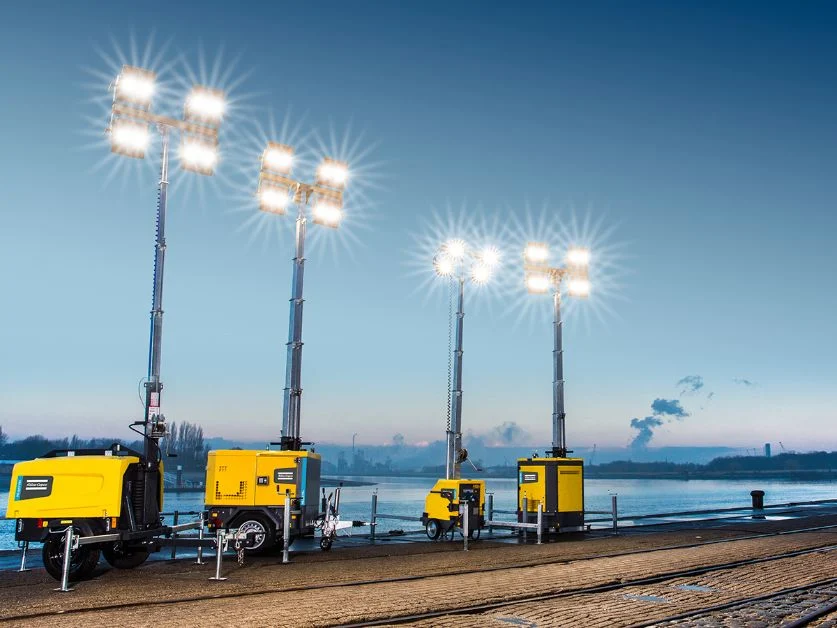
To choose the best equipment for your needs, you must first understand how these units are constructed and what components drive their performance. A standard system integrates a power generator, an extensible mast, and high-intensity lamp fixtures into a single mobile package.
Power Sources and Fuel Efficiency
The engine and power generation system form the beating heart of any self-contained unit. Traditionally, diesel engines have dominated the market due to their robust performance, high torque, and ability to run for extended periods under heavy loads in harsh outdoor environments. However, technological advancements have introduced alternative power sources that are rapidly transforming the industry.
Solar-powered units and hybrid systems combine photovoltaic panels with battery banks and backup diesel generators. These eco-friendly options significantly reduce fuel consumption, lower carbon emissions, and operate with virtually zero noise, making them ideal for urban areas, noise-sensitive residential zones, and environmentally protected locations. When evaluating a light tower, consider the balance between initial capital costs, ongoing fuel expenses, and environmental regulations at your job sites.
Mast Types and Height Capabilities
The mast determines how high the illumination can reach and how broad an area can be covered. Vertical masts and telescopic horizontal masts are the two primary designs available today. Vertical masts are generally easier and faster to deploy, taking up a smaller footprint on crowded job sites, and they can often withstand higher wind speeds when fully extended. Horizontal masts, on the other hand, position the lamps over the trailer tongue, which can affect towing balance but sometimes offers unique positioning angles. Furthermore, mast elevation mechanisms can be manual, pneumatic, or hydraulic. Hydraulic and electric winches offer effortless, push-button operation, reducing setup time and minimizing operator fatigue.
Illumination Technology: LED vs. Metal Halide
The type of light fixtures mounted on the mast dictates the quality, color temperature, and energy efficiency of the illumination. For decades, metal halide lamps were the industry standard because of their intense brightness and wide coverage. However, Light Emitting Diode technology has largely superseded metal halide due to its exceptional energy efficiency and longevity.
LED fixtures consume significantly less fuel or battery power, provide instant-on capabilities without requiring a warm-up period, and produce a crisp, natural white light that improves visibility and reduces eye strain. Additionally, LED bulbs are highly resistant to shock and vibration, which is a major advantage when transporting equipment over rough terrain. Choosing an LED-equipped light tower typically results in lower maintenance costs and dramatically extended operational runtimes.
Key Factors to Consider When Selecting Your Equipment
Selecting the right unit requires a careful assessment of your operational environment and logistical constraints. Every worksite presents unique challenges that influence which features matter most.
Environmental and Site Conditions
The geographical location and climate of your project site play a massive role in equipment selection. If you operate in freezing winter conditions, you will need engine block heaters and winterized fuel systems to ensure reliable cold-weather starting. Conversely, extremely hot desert climates require advanced cooling systems to prevent engine overheating.
Wind resistance is another critical safety factor. A robustly engineered light tower features outriggers and stabilizing legs designed to withstand specified wind speeds when fully extended. If your site is prone to high gusts or coastal storms, look for units with high wind-stability ratings and secure outrigger deployment systems to prevent tipping hazards.
Portability, Towability, and Footprint
Mobility is often a primary reason for choosing a mobile unit over fixed lighting poles. Consider how frequently the equipment will need to be relocated. Units designed for highway towing come equipped with proper road-legal lighting, suspension, braking systems, and hitch types, allowing them to be towed safely behind standard work trucks at highway speeds. For rough, off-road construction sites or muddy fields, heavy-duty frames, larger tires, and rugged suspension systems are mandatory.
Additionally, evaluate the physical footprint of the unit. On tight urban street projects or crowded event grounds, space is at a premium. A compact footprint allows multiple units to be positioned efficiently without blocking traffic or occupying valuable workspace.
Runtime and Fuel Capacity
Project continuity depends heavily on how long the equipment can operate uninterrupted between refuelings or recharges. Look for large-capacity fuel tanks that offer extended runtimes—ideally 24 to 50 hours or more on a single tank, depending on the engine size and lighting load. Extended runtimes minimize the labor hours required for daily refueling, reduce fuel delivery logistics, and ensure that your worksite remains illuminated throughout long night shifts or entire weekends without manual intervention.
Matching the Light Tower to Specific Industry Applications
Different industries demand vastly different capabilities from their illumination equipment. Aligning your choice with your specific sector ensures optimal performance and cost-effectiveness.
Construction and Infrastructure Projects
Road construction, bridge building, and commercial site development require rugged, highly dependable equipment that can handle harsh treatment. Construction-grade units need durable steel canopies, lockable control panels to prevent tampering or theft, and heavy-duty running gear. Because construction sites often operate dust-heavy environments, efficient air filtration systems and easy access service points are vital for routine maintenance and long-term reliability.
Emergency Response and Disaster Relief
When natural disasters such as hurricanes, floods, or earthquakes strike, local electrical grids often fail completely. First responders and municipal crews rely on a portable light tower to illuminate triage areas, rescue zones, and temporary command centers during night-time operations. In these high-stress scenarios, quick deployment, extreme reliability, and easy-to-use controls are non-negotiable. Units with silent-running capabilities are also preferred in disaster zones to facilitate communication among rescue teams without the deafening roar of loud diesel engines.
Outdoor Events and Entertainment Venues
Concerts, sporting events, festivals, and film shoots require specialized illumination solutions that prioritize aesthetics, safety, and quiet operation. Unlike construction sites where brute-force brightness is the primary goal, entertainment venues often benefit from adjustable, glare-free lighting configurations that illuminate crowd walkways and parking areas without blinding attendees or interfering with stage lighting. Hybrid or solar-powered units are exceptionally popular in this sector because their silent operation prevents disruptions during acoustic performances or television broadcasts.
Maintenance and Operational Best Practices for Longevity
Purchasing a top-tier illumination system is only the first step; proper maintenance and operation ensure that your investment delivers maximum return over its lifespan. Establishing a proactive maintenance schedule prevents unexpected breakdowns and extends the life of both the engine and the electrical components.
Always adhere to the manufacturer’s recommended service intervals for changing engine oil, replacing fuel and air filters, and inspecting belts and hoses. For battery-powered or hybrid systems, monitor battery health regularly and avoid deep discharges to preserve cell capacity. When operating a diesel-powered unit, running the engine at a sufficient load prevents “wet stacking”—a condition where unburned fuel accumulates in the exhaust system due to prolonged low-load operation.
Furthermore, train your operational staff thoroughly on safety protocols. Operators should always check that the outriggers are fully extended and locked before raising the mast, and they must verify that overhead power lines are safely cleared before elevation begins. Lowering the mast during high winds or severe weather storms is a mandatory safety precaution that prevents structural damage and protects personnel.
Conclusion: Illuminating a Safer, More Productive Future
Choosing the right light tower is a strategic decision that directly impacts the safety, efficiency, and success of your outdoor operations. By carefully analyzing your power requirements, illumination technology preferences, environmental conditions, and mobility needs, you can select an equipment configuration that performs reliably under the toughest conditions.
Whether you opt for a traditional high-output diesel model or a modern, eco-friendly solar-hybrid solution, investing in quality illumination ensures that your projects stay on schedule, your events run seamlessly, and your workforce remains safe and productive long after the sun goes down. Prioritize durability, ease of maintenance, and application-specific features, and your illumination equipment will serve as a glowing beacon of reliability for years to come.