

Top Benefits of Using Blockchain Analytics for Businesses
Introduction
Blockchain technology is transforming how businesses manage transactions, share information, and maintain digital records. From financial services to supply chain management, organizations are increasingly casino analytics exploring blockchain solutions to improve transparency, security, and operational efficiency. However, the value of blockchain extends beyond recording transactions. Businesses also need effective ways to interpret blockchain data and turn it into meaningful insights. This is where blockchain analytics becomes important.
Blockchain analytics involves collecting, examining, and interpreting data recorded on blockchain networks. It helps organizations understand transaction patterns, monitor digital assets, identify unusual activities, and make informed decisions. By using analytical tools, companies can gain a clearer picture of blockchain-based operations and identify opportunities for improvement.
As digital transactions continue to expand, blockchain analytics can provide businesses with valuable advantages. Understanding these benefits can help organizations determine how analytical technologies fit into their long-term strategies.
1. Improved Transparency and Visibility
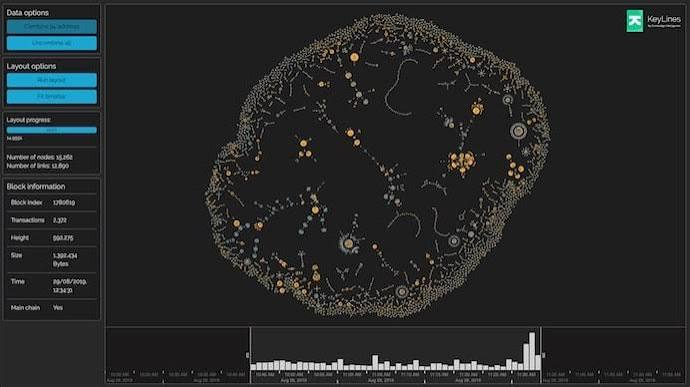
One of the primary benefits of blockchain analytics is improved transparency. Blockchain networks record transactions in a structured and often publicly accessible format. Analytics tools help businesses interpret these records and understand how assets and transactions move across a network.
For companies that operate across multiple departments, suppliers, or international markets, this visibility can simplify transaction monitoring. Instead of reviewing large volumes of raw blockchain records manually, teams can use dashboards and analytical reports to identify important information quickly.
Greater transparency can also improve accountability. Businesses can review transaction histories, verify activities, and maintain clearer records for internal reviews. Although not every blockchain is publicly accessible, analytics can still provide valuable visibility within authorized private networks.
2. Stronger Fraud Detection
Fraud prevention is another important advantage of blockchain analytics. Digital transactions can involve complex networks of wallets, addresses, and intermediaries. Identifying suspicious activity within these networks may be difficult without specialized analytical tools.
Blockchain analytics solutions can examine transaction patterns, identify unusual behavior, and flag activities that require further investigation. For example, a business may use analytics to detect unexpected transfers, unusual transaction frequencies, or connections to addresses associated with previously identified risks.
These capabilities can help compliance teams investigate potential fraud more efficiently. However, analytical alerts do not automatically prove that a transaction is fraudulent. Businesses should combine automated monitoring with human review, reliable data, and appropriate investigation procedures.
3. Better Risk Management
Every business faces risks, including financial losses, regulatory challenges, operational disruptions, and exposure to unreliable counterparties. Blockchain analytics can support risk management by providing additional information about transactions and digital asset movements.
Organizations can analyze historical activity, identify unusual transaction relationships, and evaluate potential exposure to higher-risk entities. These insights may help decision-makers establish suitable transaction limits, strengthen internal controls, and develop more effective monitoring policies.
For businesses working with digital assets, analytics can also help assess transaction histories before accepting or transferring funds. The quality of these assessments depends on the available information, the analytical model, and the reliability of the underlying data.
By identifying potential concerns earlier, businesses can make more informed decisions and reduce avoidable exposure.
4. Increased Operational Efficiency
Manual transaction reviews can consume considerable time, particularly when organizations handle large numbers of blockchain transactions. Blockchain analytics can automate parts of this process and organize information into useful reports.
Automated data processing can reduce repetitive tasks, improve reporting speed, and help employees focus on activities that require professional judgment. For example, finance teams may use analytical dashboards to monitor transaction volumes, while operations teams can review activity across different blockchain applications.
Automation can also reduce errors associated with manual data entry and repetitive record checking. When analytical systems integrate effectively with existing business software, employees can access relevant information without switching between multiple tools.
These improvements may lower operational costs and help businesses allocate resources more effectively.
5. Improved Regulatory Compliance
Businesses involved in digital assets or blockchain-based transactions may need to meet financial reporting, customer verification, anti-money laundering, and other regulatory obligations. Requirements differ by jurisdiction, industry, and business activity.
Blockchain analytics can support compliance by helping organizations trace transactions, screen addresses against relevant risk information, and generate records for internal reviews. Some platforms also provide monitoring features that assist compliance teams in identifying activities requiring additional examination.
These capabilities can make compliance workflows more organized and consistent. They may also help businesses respond to audit requests and maintain better documentation.
Nevertheless, using blockchain analytics does not automatically guarantee regulatory compliance. Organizations must understand the rules that apply to their operations and ensure their procedures, staff training, and reporting systems meet those requirements.
6. More Informed Business Decisions
Successful business decisions depend on reliable information. Blockchain analytics can turn transaction records into insights that help managers understand activity across digital networks.
Businesses may analyze transaction volumes, asset movements, user activity, and network participation to identify patterns and evaluate performance. These insights can support planning, resource allocation, and the assessment of new blockchain-based services.
For example, a company developing a blockchain application could examine how users interact with its platform. If the data reveals that certain features receive little attention, the development team may investigate whether improvements are needed.
Similarly, businesses managing digital assets can use analytical reports to better understand transaction activity and potential operational risks.
The main advantage is not simply having access to more data. It is being able to interpret relevant information and connect it to clear business objectives.
7. Greater Supply Chain Visibility
Supply chains often involve manufacturers, distributors, logistics providers, retailers, and customers. Coordinating these participants can be challenging when information is spread across separate systems.
Blockchain technology can provide shared transaction records, while blockchain analytics helps organizations interpret the available information. Businesses may use these tools to examine product movements, review recorded transfers, and identify delays or inconsistencies in supply chain activities.
For example, a manufacturer could analyze recorded shipment events to determine where delays frequently occur. This information may help the company improve delivery planning and strengthen coordination with suppliers.
However, blockchain records cannot independently guarantee that physical products are genuine or that every recorded event is accurate. Effective supply chain analytics requires reliable data collection, appropriate verification processes, and cooperation among participants.
8. Better Customer Insights
Customer behavior is an important consideration for businesses offering blockchain-based products and services. Analytics can help organizations understand how users interact with digital platforms, which services attract attention, and where customer activity changes over time.
For example, a blockchain application may use aggregated transaction data to identify general usage patterns. Product teams can use these findings to improve the user experience, refine features, and make services more accessible.
Businesses can also evaluate user retention, transaction frequency, and adoption trends where appropriate data is available.
Privacy should remain a priority throughout this process. Public blockchain data may be traceable, but wallet addresses do not necessarily reveal verified identities. Companies should avoid unsupported assumptions about individuals and follow applicable privacy and data protection requirements.
9. Competitive Advantages and Innovation
Blockchain analytics can help businesses identify emerging opportunities within digital markets. By monitoring network activity and evaluating adoption trends, organizations can develop a better understanding of changing customer needs and technological developments.
Companies may use these insights to evaluate new products, explore blockchain-based payment options, improve digital services, or identify areas where existing processes could become more efficient.
Analytics can also support experimentation. Businesses can compare performance across different initiatives, measure adoption, and use evidence to determine which approaches deserve further investment.
Organizations that combine analytical capabilities with thoughtful planning may respond more effectively to market changes. Nevertheless, competitive advantages depend on implementation quality, business strategy, and the ability to act on reliable insights.
10. Improved Financial Monitoring and Reporting
Blockchain analytics can strengthen financial monitoring by helping businesses review transaction histories, reconcile digital asset movements, and organize relevant financial information.
Depending on the tools used, finance teams may be able to examine transaction values, monitor wallet balances, identify discrepancies, and produce reports that support accounting workflows. This can be particularly useful for organizations that manage multiple digital wallets or operate across several blockchain networks.
More organized transaction information can simplify internal reviews and help teams identify issues that require investigation. Integration with accounting and enterprise resource planning systems may provide additional value.
Businesses should still recognize that blockchain transaction records are not a complete replacement for accounting records, financial statements, or professional financial oversight. Proper reconciliation and documentation remain essential.
Challenges Businesses Should Consider
Despite its advantages, blockchain analytics requires careful implementation. Businesses may encounter difficulties involving data quality, technical complexity, integration costs, and the interpretation of analytical results.
Different blockchain networks use different data structures, making cross-network analysis challenging. Some information may also be incomplete, difficult to attribute, or unavailable because of privacy controls.
Organizations should select tools that match their business needs, establish clear data governance policies, and train employees to interpret analytical findings correctly. Security controls and access permissions are also important when handling sensitive business information.
Starting with a defined objective, such as improving transaction monitoring or reducing manual reporting, can help companies evaluate the value of an analytics solution before expanding its use.
Conclusion
Blockchain analytics offers businesses a practical way to transform blockchain data into useful operational and strategic insights. Its major benefits include improved transparency, stronger fraud detection, better risk management, increased efficiency, and more organized regulatory compliance.
It can also support informed decision-making, improve supply chain visibility, provide customer insights, encourage innovation, and strengthen financial monitoring. These advantages make blockchain analytics relevant to organizations exploring digital assets, decentralized applications, and blockchain-based business processes.
However, successful implementation requires more than adopting an analytical platform. Businesses must consider data quality, privacy, security, regulatory requirements, and the limitations of automated analysis.
By choosing suitable tools and connecting analytical insights to measurable objectives, organizations can use blockchain analytics to improve oversight, support responsible innovation, and make better-informed business decisions in an increasingly digital economy.
