
A Beginner’s Guide to Buying Ostrich Eggs for Incubation
Ostrich farming has become an interesting opportunity for poultry enthusiasts, agricultural entrepreneurs, and people who want to explore raising large flightless birds. One of the first steps in starting an ostrich ostrich egg for sale breeding project is understanding how to buy ostrich eggs for incubation. Unlike ordinary chicken eggs, ostrich eggs require specialized handling, suitable incubation equipment, careful monitoring, and a good understanding of embryo development.
For beginners, purchasing fertile ostrich eggs can seem challenging. Buyers must consider fertility, egg quality, transportation, incubator requirements, and the experience of the supplier. Making informed decisions before purchasing can help create a better environment for successful hatching and healthy chick development.
Understanding Ostrich Eggs for Incubation
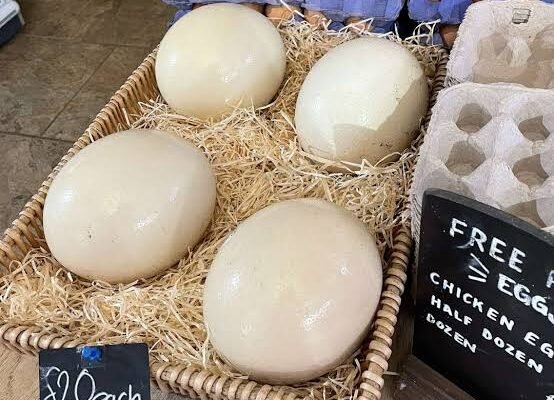
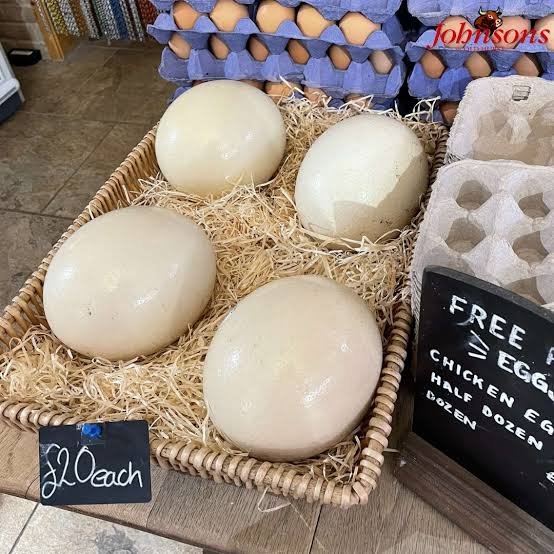
Ostrich eggs are among the largest eggs produced by living birds. Their thick shells and substantial size make them different from the eggs commonly used in backyard poultry projects. These characteristics also mean that special attention is necessary during storage, transportation, and incubation.
When buying ostrich eggs, it is important to distinguish between eggs intended for consumption and those collected for hatching. Eggs sold for food are not necessarily fertile and may have been handled under conditions unsuitable for incubation. Buyers should specifically seek fertile hatching eggs from a reputable breeder.
Fertility is one of the most important considerations, but it does not guarantee that an egg will hatch. The condition of the embryo, the age of the egg, handling practices, and incubation conditions all influence the outcome.
Researching Reliable Ostrich Egg Suppliers
Finding a trustworthy supplier is an essential part of buying ostrich eggs for incubation. Experienced breeders are generally better equipped to explain their breeding practices, egg collection procedures, and handling methods.
Before placing an order, research the seller’s background and ask about their experience with ostrich breeding. A reliable supplier should be willing to discuss the source of the eggs, the breeding flock’s condition, and the procedures used to collect and store eggs.
Consider asking the following questions:
- Are the eggs collected from a managed breeding flock?
- How recently were the eggs collected?
- What methods are used to store eggs before shipment?
- Does the seller monitor fertility and previous hatching results?
- Can the supplier explain the recommended incubation requirements?
- Are health certificates or transportation permits required?
Clear answers can help you evaluate whether the supplier understands the needs of developing ostrich embryos. Avoid relying entirely on low prices or attractive advertisements when choosing a seller.
Checking Egg Quality Before Purchasing
Egg quality plays an important role in incubation outcomes. Ostrich eggs should be examined for visible damage, unusual shell conditions, and signs of improper handling.
A suitable hatching egg generally has an intact shell without significant cracks, deep scratches, or leaking contents. Although minor surface variations may occur naturally, damaged shells can increase contamination risks and compromise the egg’s protective barrier.
Buyers should also ask whether the eggs have been cleaned or treated. Incorrect washing procedures can damage the shell’s natural protective layer or introduce contamination through its pores. Proper collection and sanitation practices are therefore important.
Whenever possible, obtain information about the egg’s collection date and storage history. Eggs that have been stored for excessive periods or under unsuitable conditions may have reduced hatchability.
Remember that external appearance cannot confirm fertility or guarantee embryo health. Candling, when performed with appropriate equipment and expertise, can provide additional information during the incubation process.
Understanding Fertility and Breeding Records
Fertility is a major factor when purchasing ostrich eggs. A fertile egg contains an embryo capable of developing under appropriate conditions, but some fertile eggs may still fail to hatch.
Ask the seller about the breeding flock’s fertility records and previous incubation results. These records can provide useful insight into the supplier’s experience and the general quality of their eggs.
However, historical results should be interpreted carefully. Hatchability depends on several factors, including the health of the breeding birds, egg handling, storage duration, incubation management, and environmental conditions.
A supplier who communicates honestly about these variables is often more dependable than one who guarantees perfect results. No responsible breeder can promise that every egg will produce a healthy chick.
Beginners should also consider purchasing a manageable number of eggs initially. Starting on a smaller scale allows them to learn the process, assess their equipment, and gain experience before investing in a larger breeding project.
Preparing an Incubator for Ostrich Eggs
Before purchasing eggs, ensure that suitable incubation equipment is available. Ostrich eggs require a larger and more specialized incubator than standard chicken eggs because of their size, weight, and extended incubation period.
A suitable incubator should maintain stable temperature and humidity, provide appropriate ventilation, and accommodate the eggs without placing excessive pressure on their shells. Reliable monitoring equipment is essential for identifying environmental changes before they affect embryo development.
Ostrich eggs typically incubate for approximately 42 days, although the exact duration can vary. Temperature, humidity, ventilation, egg characteristics, and individual development may influence the timeline.
Egg turning is another important consideration. Proper turning helps support normal embryo development and reduces the risk of abnormal positioning. An incubator designed for ostrich eggs should have a turning system appropriate for their dimensions and weight.
Before introducing purchased eggs, test the equipment to confirm that it maintains consistent conditions. Follow the incubator manufacturer’s guidance and seek advice from an experienced ostrich breeder or avian veterinarian when establishing the correct settings.
Planning Transportation and Egg Storage
Transportation can significantly influence the condition of hatching eggs. Ostrich eggs are heavy, and rough handling may cause internal damage even when the shell appears intact.
Ask the supplier how eggs will be packaged and transported. Protective packaging should minimize movement, prevent impact, and maintain suitable conditions throughout the journey. The seller should also provide guidance on what to do when the eggs arrive.
Once received, inspect each egg carefully and document any visible damage. Follow established recommendations for short-term storage before incubation, including appropriate temperature, humidity, orientation, and handling procedures.
Avoid making sudden changes to storage conditions without understanding their potential effects. If eggs have traveled a long distance, ask the supplier or an experienced breeder how best to prepare them for incubation.
Buyers should also consider delivery time when ordering. A supplier with good collection practices and reliable transportation arrangements may offer better value than a cheaper seller who cannot explain how the eggs are handled.
Calculating the Total Cost of Incubation
The purchase price is only one part of the cost of raising ostriches from eggs. Beginners should prepare a realistic budget before ordering.
Potential expenses include the eggs themselves, shipping, incubator equipment, electricity, monitoring devices, cleaning supplies, chick-rearing facilities, appropriate feed, veterinary care, and secure housing.
Ostrich chicks grow into large birds that require substantial space and specialized management. Planning for their future needs is just as important as preparing for hatching.
It is also sensible to account for the possibility that some eggs may not hatch. Budgeting with realistic expectations helps prevent financial pressure and encourages responsible decisions throughout the project.
Compare suppliers based on egg quality, documented handling practices, communication, and transportation arrangements rather than price alone.
Legal Requirements and Responsible Ostrich Farming
Before purchasing ostrich eggs, check the rules governing ostrich ownership, breeding, transportation, and trade in your location. Requirements can differ between regions and may involve agricultural authorities, veterinary services, or animal-health documentation.
If eggs are being imported, additional permits, quarantine rules, or veterinary certificates may apply. Confirm the applicable requirements before making payment or arranging shipment.
Responsible breeding also requires suitable facilities, adequate nutrition, access to veterinary care, and protection from predators and extreme weather. Ostriches are powerful animals, so appropriate fencing, safe handling procedures, and experienced supervision are important.
Beginners should learn about the species’ long-term needs before buying eggs. Successful incubation is only the beginning of a much larger commitment to animal welfare.
Common Mistakes Beginners Should Avoid
Several mistakes can reduce the chances of a successful incubation project. Buying eggs without confirming their intended purpose is one of the most common. Another is choosing a supplier solely because the price is unusually low.
Other avoidable problems include purchasing eggs without reviewing their storage history, failing to test the incubator, using unsuitable equipment, and neglecting transportation arrangements.
Beginners should also avoid changing incubation settings repeatedly without a clear reason. Consistency, careful recordkeeping, and expert guidance are more useful than making frequent adjustments based on guesswork.
Keeping a simple record of egg arrival dates, storage conditions, incubation settings, turning schedules, and candling observations can help identify problems and improve future results.
Conclusion
Buying ostrich eggs for incubation requires research, preparation, and realistic expectations. Beginners should prioritize reputable suppliers, carefully handled fertile eggs, suitable incubation equipment, and a clear understanding of the birds’ long-term needs.
Before placing an order, evaluate egg quality, review the supplier’s breeding records, plan transportation, and prepare the incubation environment. It is equally important to understand the financial, legal, and animal-welfare responsibilities associated with raising ostriches.
With careful planning, reliable advice, and consistent management, beginners can approach ostrich egg incubation more confidently. The most successful projects begin with informed purchasing decisions and a commitment to providing appropriate care from the earliest stages of development.